
Small Oases, Unhurried Paths
Why Small Greens Calm Busy Minds

Finding Hidden Green Rooms Near You
Map Tricks That Reveal the Smallest Squares
Switch between satellite and map layers, zooming in until fragments of green appear beside alleys, schools, and libraries. Pocket parks and slow strolls depend on noticing slivers others overlook: utility easements planted with pollinator beds, reclaimed traffic triangles, and micro-plazas behind markets. Save places to a private list with short notes—shade at noon, busiest on weekends, best entrance—so future you benefits. Over a month, your map becomes a living guide to calm that actually reflects your life.
Ask the People Who Already Know
Dog walkers, groundskeepers, crossing guards, and café staff carry treasure maps in their heads. Mention your love of pocket parks and slow strolls, and you will hear about a bench with morning sun or a vine-covered wall that scents spring evenings. These tips come with stories—names of long-time regulars, the best seasons, the quiet hours. Gratitude matters: return with a thank-you, share what you found, and keep friendships that turn one offhand suggestion into a year of gentle detours.
Walking Slowly Without Feeling Strange
Pace, Posture, and Presence
Senses as a Compass
Turning Minutes into Memories
Benches, Conversations, and Quiet Revelations
Dawn with the Volunteer Gardener
I met Mara at first light, kneeling beside thyme and lavender, a small bucket clinking with hand tools. She told me pocket parks and slow strolls saved her during a rough season—fifteen minutes each dawn, touching soil, greeting sparrows. We traded tips about drought-hardy herbs, then watered in companionable silence. As buses groaned awake, the thyme released scent like a promise. I left with calmer breath and a sprig to press into my notebook, still warm from her palm.
A Parent’s Midday Pause
At noon, a caregiver parked the stroller beneath a young ginkgo, unfolding a crinkled sandwich and a weary smile. They spoke of pocket parks and slow strolls as sanity savers between naps and meetings, a predictable bubble where the baby watched leaves. We compared favorite benches and the trick of timing shade. When the child finally slept, we celebrated with silent thumbs-up. That tiny victory—quiet under bright fans of green—felt shared, human, and deeply sustaining for both of us.
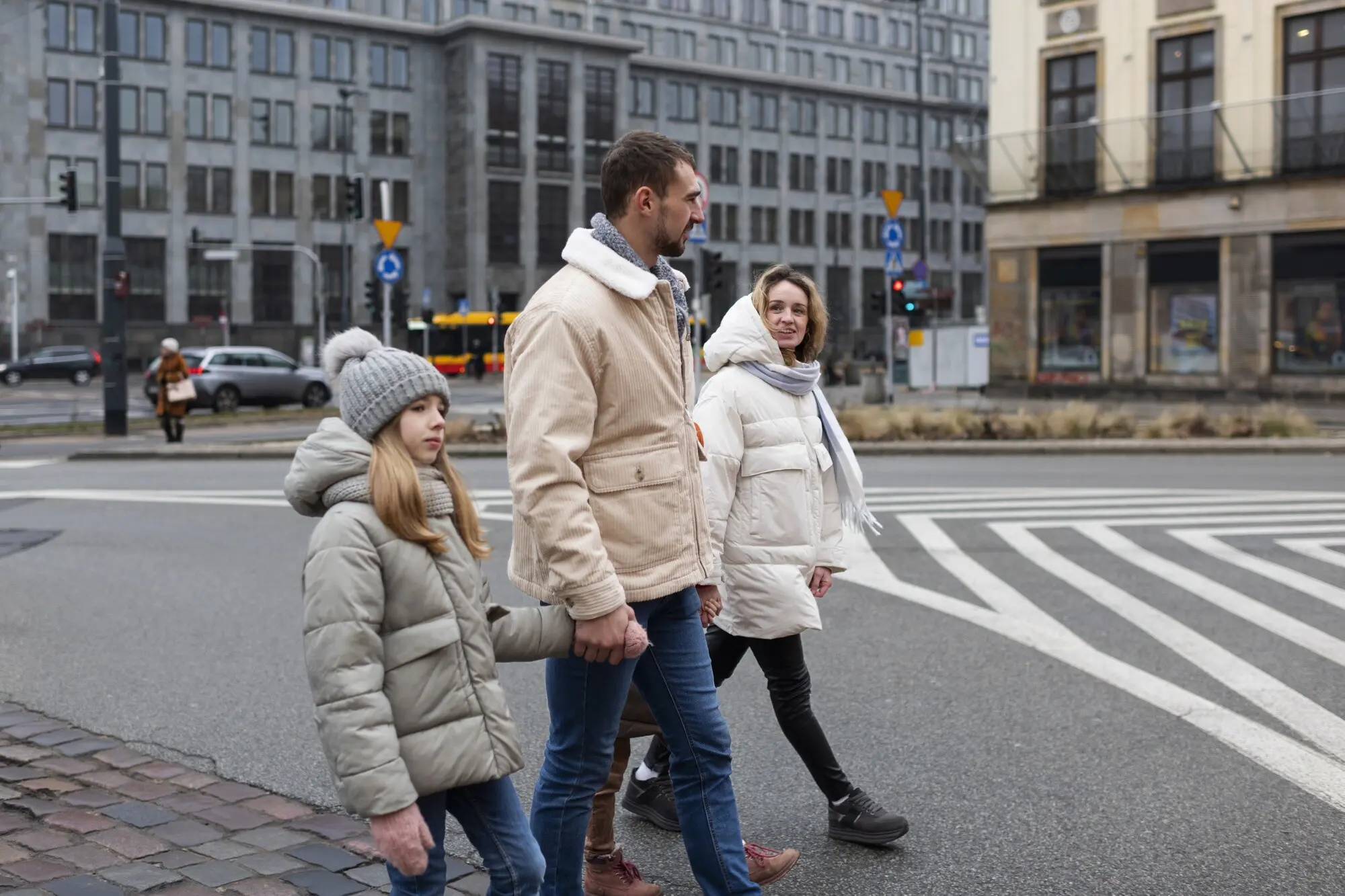
Life Thriving at Small Scale



Make It Part of Your Week

All Rights Reserved.