
Wander Well: Micro-Parks That Invite Unhurried Steps
Paths That Invite Unhurried Steps
Comfortable Widths and Kind Slopes
Accommodate companions walking together by targeting widths that welcome wheelchairs and walkers without crowding, and specify slopes that respect tired knees and cardiac limits. Short ramps beat long climbs, and landings placed generously become micro‑victories, transforming a simple circuit into an achievable, satisfying routine.
Surface Texture That Guides Without Tripping
Choose firm, slip‑resistant materials with subtle texture, not toe‑catching bumps. Permeable pavers, fine‑grain asphalt, or resin‑bonded gravel dampen glare, shed puddles, and quiet footsteps. Tactile bands at crossings signal change, while contrasting edges help low vision walkers discern boundaries and stay comfortably oriented.

Seating That Restores and Connects
Ergonomic Benches and Helpful Armrests
Shady Outlooks and Sunlit Perches
Social Nooks With Easy Exits
Light, Safety, and Calm Assurance
Gentle, Even Lighting for Evening Confidence
Combine warm‑white path lights with soft bollards and modest pole fixtures to eliminate dark patches without harsh contrast. Illuminate faces, not only floors, to support social reading and lip‑reading. Timers and motion boosts conserve energy while reassuring late walkers heading home unhurried.
Clear Sightlines, Low Plantings, and Friendly Boundaries
Prune shrubs to knee or waist height near paths, reserving taller canopies for shade layers that preserve views. Transparent railings, edging stones, and subtle grade shifts define spaces without intimidation. Nearby buildings and neighbors become natural guardians, creating presence without policing or pressure.
Crossings, Edges, and Subtle Guidance
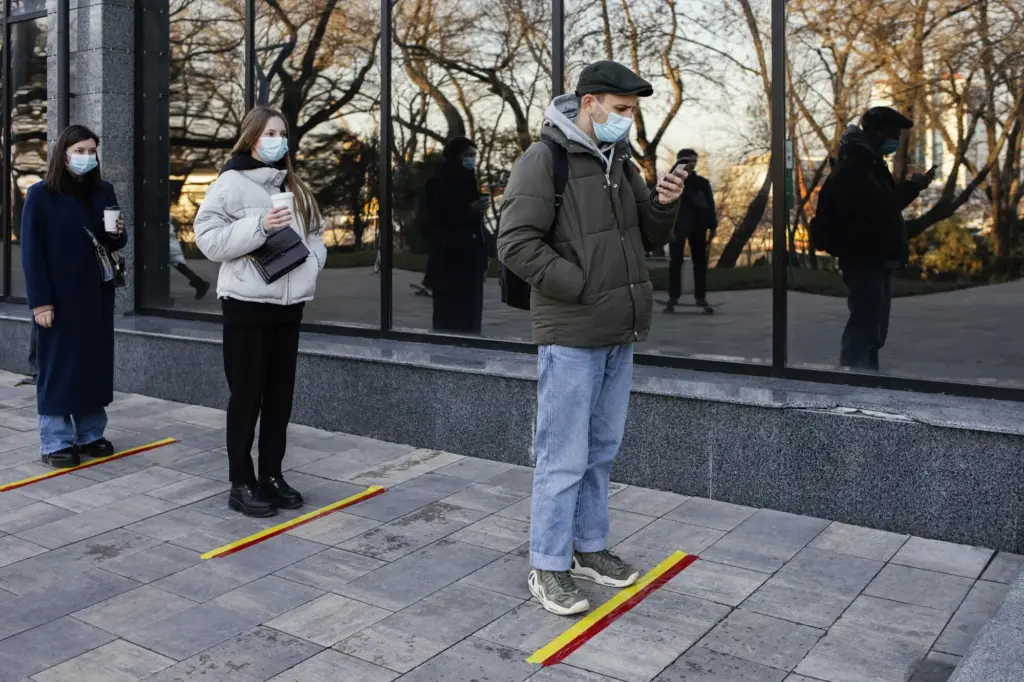
Slow intersections with raised tables, contrasting textures, and audible signals where appropriate. Handrails at short stairs, curb cuts with tactile warnings, and paint that resists fading reduce surprises. Gentle arrows or footprints, painted sparingly, cue direction playfully and keep momentum friendly for wavering wanderers.
Nature That Nurtures the Senses
Fragrance, Texture, and Memory-Lane Planting
Biodiversity Pockets for Birds and Pollinators
Seasonal Cues That Mark Time Softly
Wayfinding That Feels Like Intuition
Programs, Community, and Everyday Joy

Slow Stroll Circuits and Friendly Prompts

Intergenerational Encounters by Design

Feedback, Care, and Stewardship Loops

All Rights Reserved.